
Few cosmetic dental treatments offer the combination of speed, versatility, and subtlety that composite bonding does. In the right clinical situation, it can close a gap, rebuild a chipped edge, reshape an uneven tooth, or brighten the look of a discoloured surface, all in a single appointment and without permanently altering the natural tooth underneath.
At DentalShine, our Islington practice on Essex Road, we see patients from across North London who are curious about composite bonding but unsure of exactly what it involves. This guide covers everything you need to know, from the basics of the procedure to aftercare, longevity, and how to find out whether it is right for your smile.
What Is Composite Bonding?
Composite bonding is a cosmetic dental procedure in which a tooth-coloured resin material is applied directly to the surface of a tooth, shaped by the dentist, and hardened using a specialised curing light. The result is a natural-looking enhancement that can improve the shape, size, colour, or overall appearance of a tooth, often within a single visit.
The resin used is the same family of material as white dental fillings, composed of a blend of plastic and fine glass particles. It is carefully selected to match the shade of the surrounding teeth and is sculpted chairside by the treating dentist, meaning no laboratory work is required and no waiting period for custom restorations to be manufactured.
Because the procedure does not require drilling away healthy tooth structure, and because the bonding material can be removed if necessary, it is widely described as one of the most minimally invasive options in cosmetic dentistry.
What Can Composite Bonding Treat?
Composite bonding is a versatile treatment. Common reasons patients choose it include:
- Chipped or fractured front teeth
- Gaps between teeth, particularly the upper front teeth
- Teeth that appear shorter than desired or have worn edges
- Mild discolouration or staining that does not respond to whitening
- Slight irregularities in tooth shape or size
- Exposed root surfaces causing sensitivity
It can also complement other treatments. Some patients combine composite bonding with teeth whitening, for example, to first brighten the natural teeth and then match the bonding material to the new, lighter shade for a cohesive result.
It is important to note that composite bonding is best suited to minor cosmetic concerns. Significant bite issues, structural damage to teeth, or advanced gum disease would typically need to be addressed before any bonding treatment can be considered, and in some cases may point towards a different treatment pathway altogether.
What Does the Composite Bonding Procedure Involve?
One of the appeals of composite bonding is its simplicity. Most cases can be completed in a single appointment, without the need for local anaesthetic, impressions, or a waiting period between visits.
Step 1: Consultation and assessment
Before any treatment begins, your dentist will carry out a thorough clinical assessment. This includes examining the health of your teeth and gums, discussing your cosmetic goals, and determining whether composite bonding is the most appropriate option for you. If teeth whitening is planned as part of the process, this would typically be completed first and given time to stabilise before bonding is placed.
Step 2: Shade selection
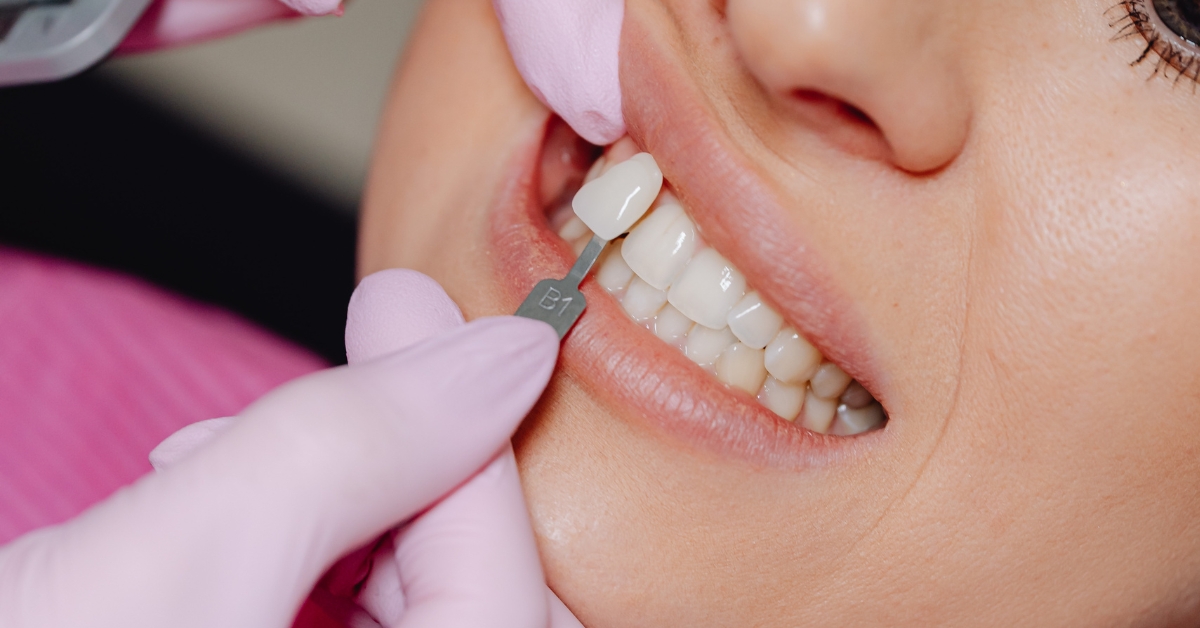
The dentist selects a composite resin shade that closely matches the colour of your surrounding teeth. If you have recently completed whitening, your new, brighter shade will be used as the reference point.
Step 3: Surface preparation
The tooth surface is gently prepared, usually by lightly roughening the enamel with a conditioning gel. This creates a slightly textured surface that allows the resin to bond securely to the tooth. In most cases, no drilling or removal of healthy tooth material is required.
Step 4: Application and sculpting
The composite resin is applied to the tooth surface in layers. Using specialist instruments, the dentist carefully sculpts the material to achieve the desired shape, whether that means rebuilding a chipped edge, closing a gap, or reshaping the tooth profile. This stage requires a high level of skill and an artistic eye for proportion and symmetry.
Step 5: Curing
Each layer is hardened using a curing light, which triggers the chemical reaction that bonds the resin firmly to the tooth surface. This takes only seconds per layer.
Step 6: Finishing and polishing
Once the final shape has been achieved, the bonded surface is refined and polished to a smooth, glossy finish that mimics the natural appearance of tooth enamel. Your bite will also be checked to ensure the new material sits comfortably within your natural bite pattern.
How Long Does Composite Bonding Last?
Composite bonding is durable, but it is not permanent. With good oral hygiene and sensible lifestyle habits, patients can typically expect their bonding to last between five and ten years before a refresh or replacement becomes necessary.
Source: Mint Dental Centre, How Long Does Composite Bonding Last?
Several factors influence how long bonding remains in good condition:
- Oral hygiene: regular brushing, flossing, and professional hygiene appointments help maintain both the bonding and the underlying tooth health
- Diet and habits: biting on hard foods, chewing pen lids, or using teeth to open packaging can chip or fracture the resin
- Bruxism: patients who grind or clench their teeth place extra stress on bonded surfaces; a protective nightguard may be recommended
- Staining: composite resin is more porous than porcelain and can pick up staining from coffee, tea, red wine, and tobacco over time
- The dentist’s skill: precise application, correct etching, and thorough polishing at the time of placement are linked to meaningfully longer-lasting results
Routine hygiene visits are particularly beneficial for patients with composite bonding. Professional polishing during a hygiene appointment removes surface staining before it penetrates more deeply, helping the bonding maintain its appearance between reviews.
Source: UrgentCare Dental, Composite Bonding Lifespan
How Does Composite Bonding Compare to Porcelain Veneers?
Both composite bonding and porcelain veneers improve the look of the front teeth, but they are different in several meaningful ways. Neither is universally better; the right choice depends on the clinical situation, the patient’s goals, and their budget.
Composite bonding
- Applied directly to the tooth in a single visit, no laboratory stage required
- Minimal or no removal of tooth enamel
- Reversible in most cases
- Lower upfront cost than porcelain veneers
- More susceptible to staining and surface wear over time
- Typically lasts five to ten years before a refresh is needed
Porcelain veneers
- Custom-fabricated in a dental laboratory and bonded in a subsequent appointment
- Requires some removal of the tooth surface to accommodate the veneer thickness
- Permanent alteration to the tooth once enamel is removed
- Highly stain-resistant due to the glaze on the porcelain surface
- Longer lifespan, typically ten to fifteen years or more
- Higher cost, generally 50 to 70 per cent more per tooth than composite bonding
Source: Bradstowe Dental Practice, Composite Bonding Cost UK: What to Expect in 2026
For patients who want a meaningful cosmetic improvement without committing to permanent enamel reduction, composite bonding is often the natural starting point. For those seeking maximum longevity and stain resistance, particularly across a full-arch smile transformation, porcelain veneers may be more appropriate. Your dentist will discuss both options honestly during your consultation.
Who Is a Good Candidate for Composite Bonding?
Most patients with generally healthy teeth and gums are suitable candidates for composite bonding. The procedure is particularly well suited to adults who want to address minor cosmetic concerns quickly and without invasive treatment.
A thorough assessment is essential before treatment begins. The General Dental Council has highlighted the importance of baseline clinical checks before composite bonding is placed, including assessment of gum health, bite relationship, and any habits such as grinding that could affect the longevity of the result.
Source: GDC Blog, Bonding Boom: Composite Bonding Insights for Dental Professionals (April 2026)
Composite bonding may not be the right choice if you have:
- Active gum disease or significant untreated tooth decay
- A heavy bite or confirmed bruxism without management in place
- Very severely misaligned teeth where orthodontic treatment would produce a better functional and cosmetic result
- Extensive tooth damage that requires structural restoration rather than a cosmetic overlay
None of these factors necessarily rules out composite bonding permanently. They simply mean that other concerns may need to be addressed first, and your dentist can advise on the most appropriate sequence of treatment for your situation.
Aftercare: Looking After Your Composite Bonding
Composite bonding is straightforward to care for, and maintaining it well is largely an extension of good everyday oral hygiene:
- Brush twice daily with a soft-bristled toothbrush and fluoride toothpaste
- Floss or use interdental brushes daily to clean between teeth and around bonded edges
- Attend regular dental check-ups and hygiene appointments, ideally every six months
- Avoid biting directly into very hard foods such as crusty bread, hard sweets, or nuts with the bonded teeth
- Reduce consumption of heavily staining drinks, particularly coffee, tea, and red wine, and rinse with water after consuming them
- If you grind your teeth at night, ask your dentist about a custom nightguard to protect the bonding
- Avoid using your teeth as tools to open packaging or bite nails
Composite bonding should not be whitened once placed. If you wish to whiten your smile in the future, it is best to do so before bonding treatment, since the composite resin will not respond to whitening agents and colour mismatches can result if you whiten your natural teeth around existing bonding.
Frequently Asked Questions About Composite Bonding
What exactly is composite bonding?
Composite bonding is a cosmetic dental procedure in which a tooth-coloured resin is applied to the tooth surface, sculpted into the desired shape, and hardened with a curing light. It is used to improve the appearance of chipped, gapped, discoloured, or misshapen teeth, most commonly on the front teeth.
Is composite bonding painful?
In most cases, composite bonding is carried out without local anaesthetic and patients report no discomfort during the procedure. Some people notice mild sensitivity around the treated tooth for a day or two afterwards, which typically settles quickly. If you have any concerns, speak to your dentist before treatment begins.
How long does composite bonding take?
A single tooth can often be bonded in 30 to 60 minutes. A full set of teeth, or a more complex case involving multiple teeth, will take longer. Your dentist will give you a realistic time estimate based on the specifics of your treatment at the consultation stage.
Will composite bonding look natural?
When placed by an experienced cosmetic dentist, composite bonding can look very natural. The resin is colour-matched to your surrounding teeth, and the shaping and polishing process is designed to replicate the translucency and gloss of natural enamel. The quality of the result is closely linked to the skill and experience of the treating clinician.
How long does composite bonding last?
Most patients can expect composite bonding to last between five and ten years with proper care. The lifespan is influenced by oral hygiene habits, diet, any tendency to grind the teeth, and how well the bonding was placed initially. Regular dental and hygiene appointments support longevity.
Does composite bonding stain?
Composite resin is more porous than natural enamel or porcelain, which means it can pick up staining over time from coffee, tea, red wine, and tobacco. Reducing consumption of staining drinks, rinsing with water after consuming them, and attending regular professional hygiene appointments all help to manage surface discolouration.
Can I whiten my teeth after composite bonding?
Teeth whitening agents do not affect composite resin, so whitening after bonding is in place may result in a colour mismatch between your natural teeth and the bonded areas. For this reason, it is best to complete any whitening treatment before composite bonding is placed.
Is composite bonding available on the NHS?
Composite bonding carried out purely for cosmetic reasons is not available on the NHS. Where bonding is used for clinically necessary restoration, it may qualify under NHS dental treatment bands. Your dentist can clarify whether your particular situation has any NHS element at the consultation stage.
What is the difference between composite bonding and composite veneers?
Composite bonding typically refers to the repair or enhancement of a specific area of a tooth, for example rebuilding a chipped edge or closing a small gap. Composite veneers cover the entire visible surface of the tooth and are used when a more comprehensive change in shape or appearance is needed. Both use the same resin material and are applied chairside in a single appointment; the distinction lies in how much of the tooth surface is covered.
How much does composite bonding cost?
Composite bonding is a private treatment and costs vary by practice, the complexity of the case, and the number of teeth involved. It is generally significantly more affordable than porcelain veneers. At DentalShine we will provide a clear, itemised cost breakdown during your consultation so you have a full picture before committing to any treatment.
How do I get started with composite bonding at DentalShine?
Simply contact us at DentalShine to book a consultation. You can reach us at the details below. Our team will assess your teeth, discuss your goals, and give you an honest recommendation, whether that is composite bonding or a different treatment that may serve you better.
Composite Bonding in Islington, North London
DentalShine is an award-winning, family-run dental practice based at 372 Essex Road, Islington, London N1 3PF. Led by principal dentists Dr Aris Psathopoulos and Dr Margarita Vochaiti, our team brings together clinical expertise and a genuine commitment to patient care in a welcoming, modern environment.
We offer composite bonding as part of a broader range of cosmetic and restorative treatments, including teeth whitening, clear aligners, dental implants, and smile makeovers. Every patient receives a thorough consultation before any treatment is discussed, because we believe the best cosmetic outcomes come from understanding each person’s individual goals and ensuring any treatment is clinically appropriate.
Our practice is conveniently situated for patients across Islington, Angel, Highbury, Canonbury, Barnsbury, Dalston, and the surrounding areas of North London. Angel station on the Northern line is a short walk away, and Essex Road is well served by several bus routes.
If you would like to find out whether composite bonding could be right for your smile, we would be happy to see you for a consultation. There is no pressure and no obligation, just an honest conversation about your options.
Book a consultation at DentalShine. Serving patients in Islington, Angel, Highbury, Canonbury, Barnsbury and Dalston.
We love to see you smile.
Disclaimer: For informational purposes only. Not a substitute for professional dental advice. Please consult your dentist or hygienist before making any treatment decisions.
